
Essential Oils and Carrier Oils Explained
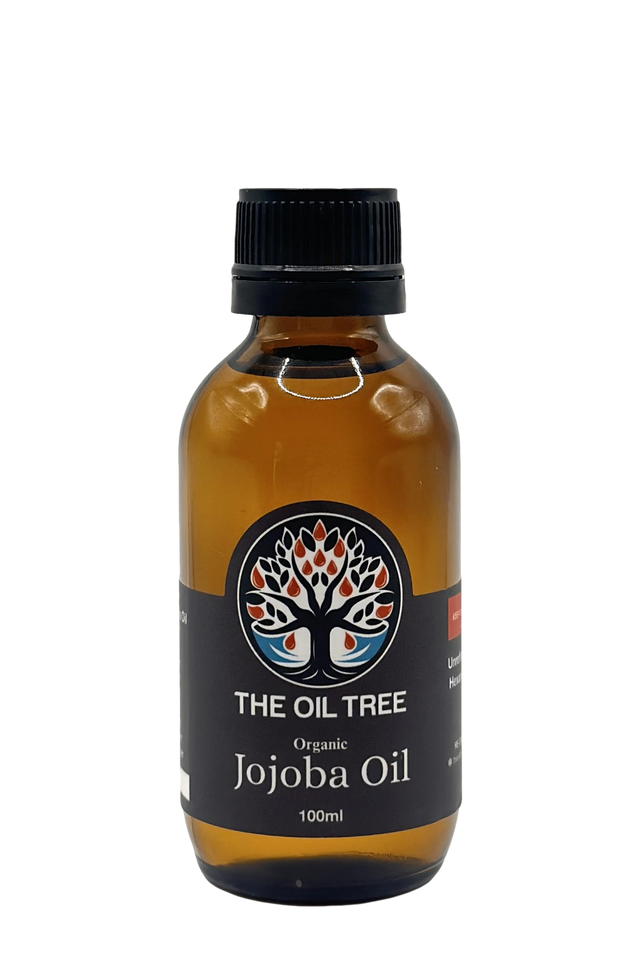
Essential oils are concentrated aromatic plant ingredients. Carrier oils are base ingredients used in suitable oil-based preparations. They serve different roles, so choosing between them starts with what you want to make and the directions for the individual product.
If two bottles both say “oil”, it is easy to assume they can be used in the same way. Before buying, look beyond the product name: check the ingredient identity, intended use and safety information.
What is an essential oil?
Essential oils contain aromatic constituents from plants. They are associated with characteristic scents, but the word “essential” does not mean your body needs them. They are not automatically ready to apply to skin simply because they come from a plant.
The US National Center for Complementary and Integrative Health describes essential oils as plant-derived ingredients used in aromatherapy, often by inhalation or in diluted skin preparations. That description is not a direction for using a particular bottle. Follow its own label and suitability information.
What is a carrier oil?
A carrier oil supplies the base for an appropriate oil-based preparation. When shopping, compare its ingredient identity and stated application, rather than expecting every carrier oil to feel or perform alike. Scent, texture and formulation requirements can affect your choice.
Browse our carrier oils to compare individual product details. Keep the product instructions available when planning your project.
Which one do you need?
- Looking for an aromatic ingredient? Start with the essential oil range and check that your intended application is supported.
- Choosing a base ingredient? Start with carrier oils and compare the information for each one.
- Following a formulation? Use its specified ingredient and concentration. Do not substitute solely because the names sound similar.
Read these details before ordering
- Check the complete product name and ingredient information.
- Read the directions and warnings for your intended use.
- Confirm the bottle size and the quantity your project requires.
- Check storage instructions and keep the original identification with the product.
A product described as natural still needs to be used according to its directions. This guide does not provide a universal dilution recipe: appropriate use depends on the exact ingredient, finished product and person using it.
Common questions
Are essential oils and carrier oils interchangeable?
No. They fulfil different ingredient roles. Check the formulation and product directions before making a substitution.
Does a carrier oil make every essential oil suitable for skin?
No. Adding a base does not remove ingredient-specific restrictions. Check suitability and the directions for the exact products.
Where should I start if I am unsure?
Choose a project with clear ingredient requirements, then compare the matching product information. Ask for clarification before ordering if a specification is missing.
Explore essential oils and carrier oils by category to make a more informed shortlist.
Further reading: NCCIH essential oil and aromatherapy overview.
Leave a Reply
You must be logged in to post a comment.